
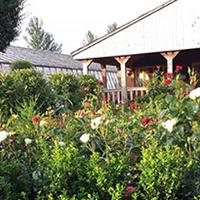

Gardening in Kent is usually shaped by a fairly gentle climate, but our increasingly hot, dry summers are presenting gardeners with new challenges. When weeks pass without meaningful rainfall, lawns turn brown, borders begin to wilt and pots can dry out with surprising speed. However, a drought does not mean that we have to give up on our gardens. With thoughtful watering and a few practical changes, we can help our plants cope until the rain finally returns.
The first priority is to water wisely. A generous soak directed at the base of a plant is far more beneficial than a quick daily sprinkle over the leaves. Light watering encourages roots to remain near the surface, where the soil dries out fastest. Deeper watering encourages roots to travel further into the ground, making plants more resilient during prolonged dry weather.
Watering early in the morning or later in the evening reduces evaporation and gives moisture time to reach the roots. If possible, use a watering can rather than a hose, as this makes it easier to direct water precisely where it is needed. Always check whether any local hosepipe restrictions are in place.
Recently planted trees, shrubs and perennials need particular attention. Even plants described as drought tolerant must be watered regularly while their roots are becoming established. Create a shallow basin of soil around newly planted specimens so that water collects above the root area instead of running away across the surface.
Containers and hanging baskets are especially vulnerable during hot weather. Check them every day and move smaller pots into light shade if they are becoming stressed. Adding saucers beneath suitable containers can help them retain moisture, although plants should never be left permanently waterlogged. Grouping pots together also creates a slightly cooler, more humid environment and reduces the amount of water lost to evaporation.
One of the best ways to protect a garden during drought is to mulch the soil. A layer of compost, well-rotted organic matter or bark helps to keep the ground cooler, slows moisture loss and gradually improves the soil. Before mulching, water the border thoroughly; otherwise, the mulch may simply seal dry soil beneath it.
Try not to worry too much about an established lawn turning brown. Grass naturally becomes dormant during dry periods and will often recover remarkably quickly once rain returns. Raising the mower blades and allowing the grass to grow slightly longer will also help shade its roots.
Finally, resist the temptation to feed a plant that is clearly suffering from drought. Fertiliser encourages fresh growth, creating an additional demand for water. Concentrate instead on keeping the roots hydrated and remove only flowers or foliage that are completely spent.
A drought may change the appearance of our Kent gardens for a while, but it does not have to ruin them. By watering carefully, prioritising vulnerable plants and protecting the moisture already in the soil, we can guide our gardens safely through the driest weeks—and appreciate that wonderful earthy scent all the more when the long-awaited rain arrives.
Gardening World Limited
Helping Kent's gardens flourish through every season.

